



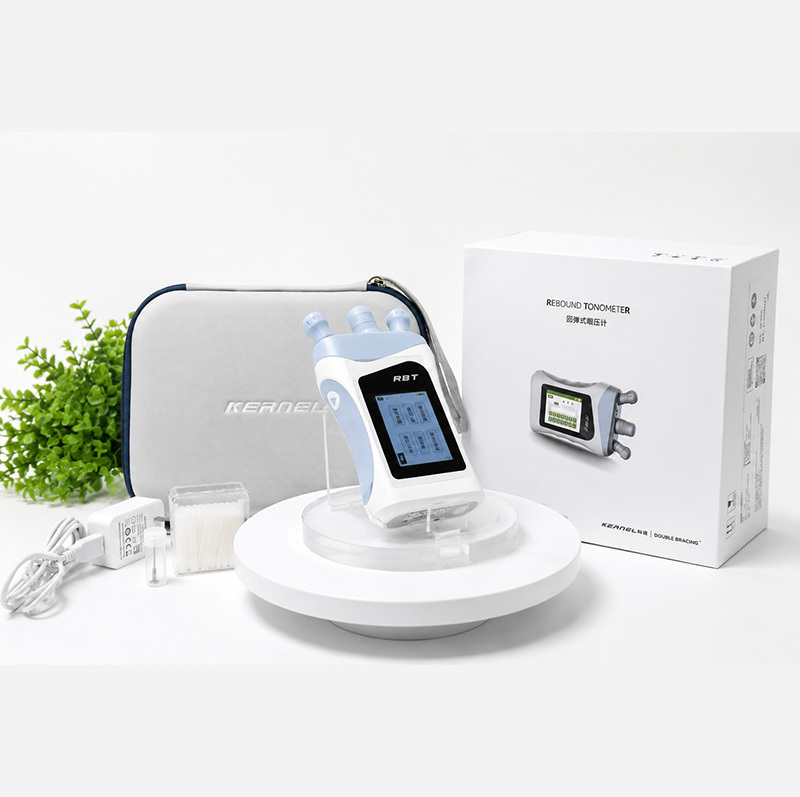
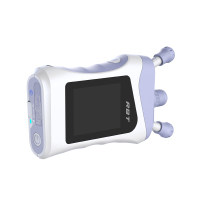
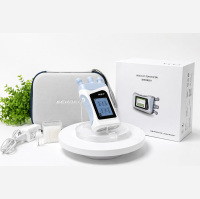
Handheld Rebound Tonometer CN-1612 with Dual Support for Home Self-Measurement
Dual-Support Design for Home Self-Measurement
No Anesthesia Required
Suitable for Multiple Patient Positions
Portable and Easy to Use
Fast and Reliable IOP Measurement
App-Based Data Recording
Bluetooth Printing Support
- Applicable for measuring intraocular pressure, including preliminary detection and screening for qlaucoma.
- CFDA
- Available
Summary Intro
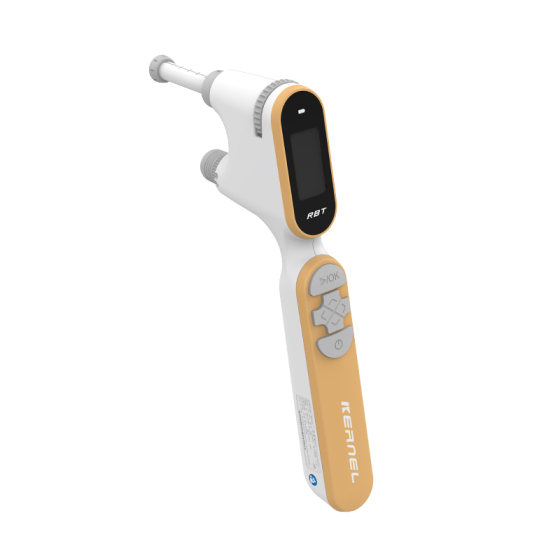
The CN-1612 is a handheld rebound tonometer designed for fast, comfortable, and reliable intraocular pressure measurement. Its dual-support structure makes self-measurement more stable and easier to perform at home, while the rebound method allows testing without anesthesia. The portable design also supports use in different body positions, making it suitable for daily monitoring, clinic screening, and patients with limited mobility.
Who It's For
The CN-1612 is suitable for:
Ophthalmology departments
Eye clinics and outpatient screening programs
Home monitoring users
Patients who need regular intraocular pressure checks
Patients with limited mobility or bedridden conditions
Community eye care and mobile screening settings
Distributors and OEM partners
Key Features
Dual-Support Design for Home Self-Measurement
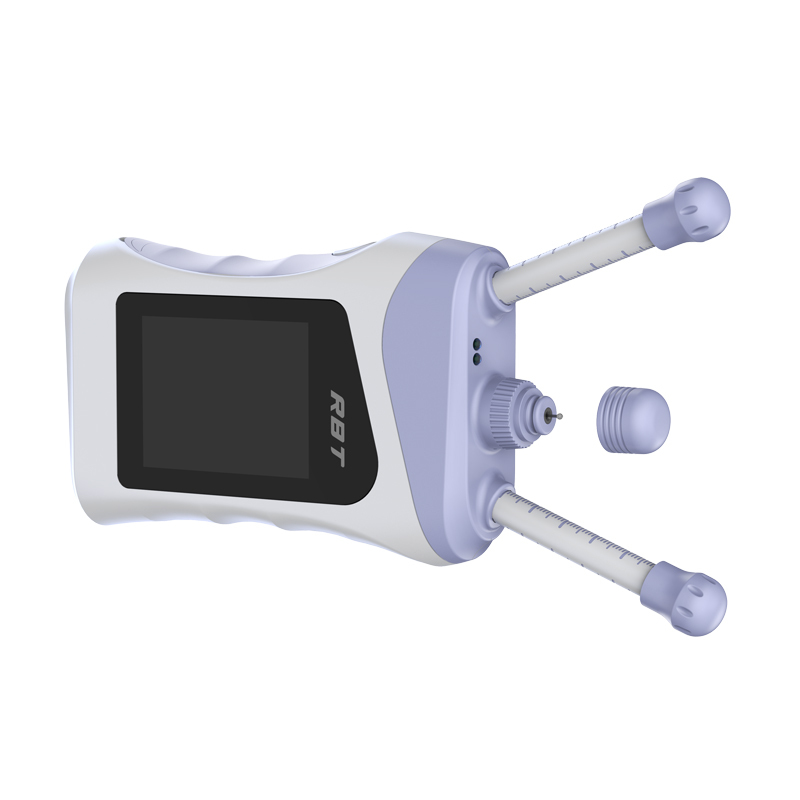
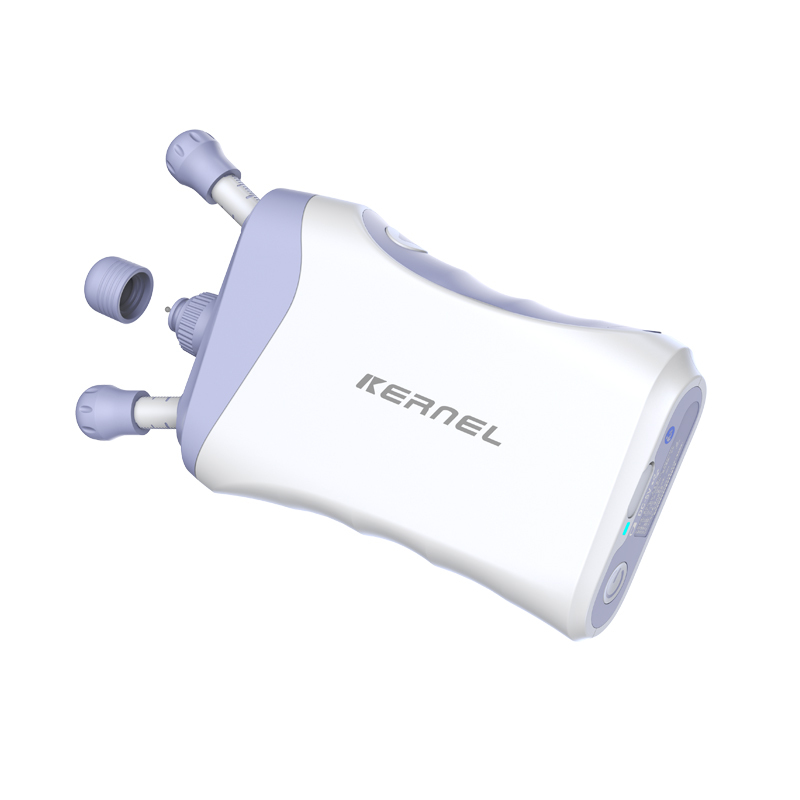
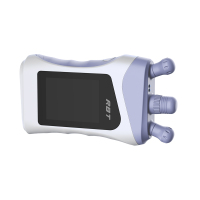
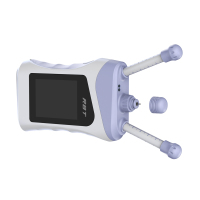
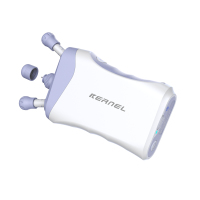
The dual-support structure helps improve hand stability and positioning, making self-measurement easier and more practical for home use.
No Anesthesia Required
The rebound measurement method allows comfortable IOP testing without anesthetic drops.
Suitable for Different Patient Positions
The handheld structure supports measurement in sitting, reclining, or supine positions, making it more convenient for patients who are bedridden or have limited mobility.
Automatic Eye Recognition
Built-in left and right eye recognition helps improve workflow and reduce recording errors during routine use.
Built-In Error Prompt System
The device provides automatic prompts to help improve measurement reliability and ease of operation.
Portable and Rechargeable
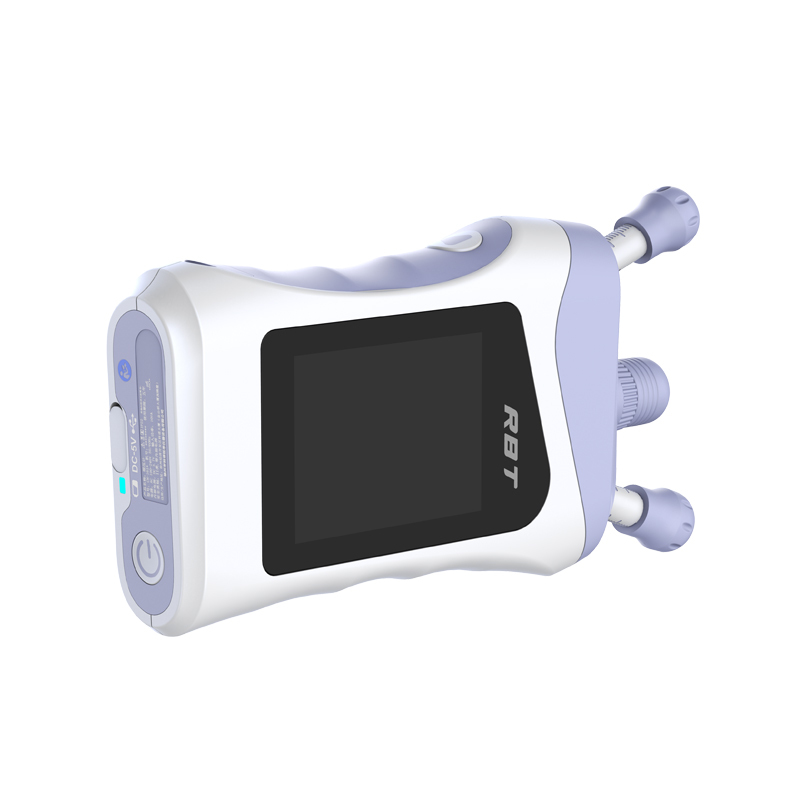
The compact battery-powered design supports flexible use in clinics, community screening, and home care settings.
High-Definition Color Display
The full-color display provides clear measurement results for easier operation and quick reading.
Wide Measurement Range
The measurement range of 3–70 mmHg supports routine IOP screening as well as broader ophthalmic monitoring needs.
Technical Specifications
| Feature | Specification |
|---|---|
| Measurement Range | 3 – 70 mmHg |
| Structural Design | Handheld with dual support |
| Display | High-resolution color screen |
| Eye Recognition | Left/Right auto detection |
| Error Detection | Built-in prompt system |
| Operation Mode | Autonomous (automatic trigger) |
| Portability | Battery-powered, lightweight |
Why Choose CN-1612
The CN-1612 is designed for users who need a rebound tonometer that is not only portable, but also practical for independent use. Its dual-support structure makes self-measurement more stable and user-friendly, which is especially valuable for home monitoring. Combined with anesthesia-free testing, flexible body-position use, automatic eye recognition, and error prompts, it offers a more convenient solution for routine IOP screening in both home and clinical environments.
FAQ
Can the CN-1612 be used for self-measurement at home?
Yes. Its dual-support design makes self-measurement more stable and convenient for home use.
Does the CN-1612 require anesthesia?
No. The rebound measurement method allows testing without anesthetic drops.
Is the CN-1612 suitable for bedridden or limited-mobility patients?
Yes. It can be used in different body positions, including sitting, reclining, and supine use.
What makes the dual-support structure useful?
It helps improve hand stability and positioning, making measurement easier for both self-use and routine screening.
Does the CN-1612 support automatic eye recognition?
Yes. It supports automatic left and right eye recognition during measurement.
Does the CN-1612 provide error prompts during use?
Yes. Built-in error prompts help improve operation and measurement reliability.
Is the CN-1612 suitable for both home and clinical use?
Yes. Its portable design supports daily home monitoring as well as clinic and community screening use.
What are the key advantages of the CN-1612?
Its key advantages include dual-support self-measurement, no-anesthesia testing, flexible body-position use, automatic eye recognition, and portable operation.